

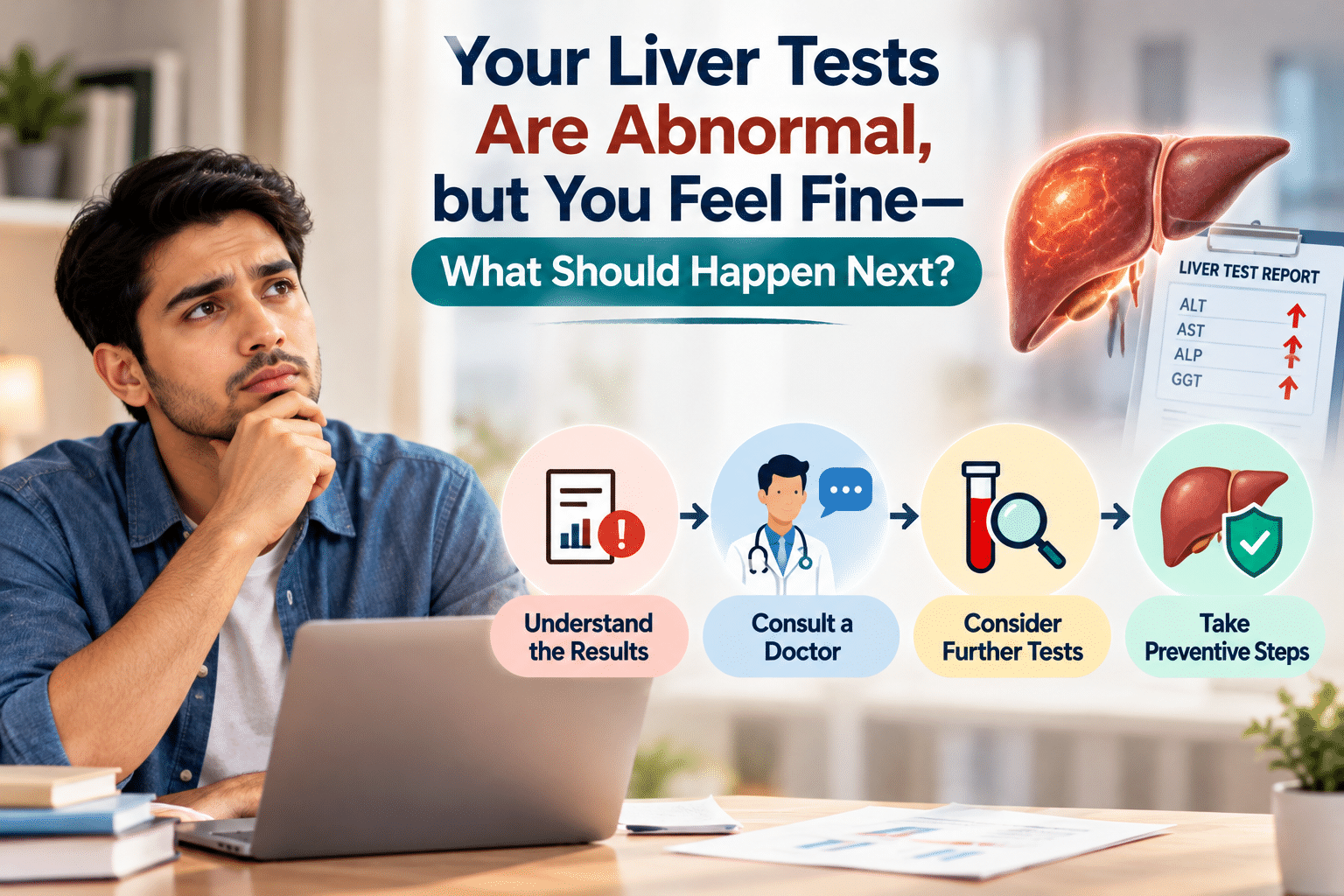
An unexpected blood test result can be confusing, especially when you have no pain, tiredness, or other noticeable symptoms. Your report shows raised liver enzymes, yet everyday life feels completely normal. Should you worry, repeat the test, or simply ignore it? The answer depends on which results are abnormal, how far they differ from the laboratory range, and your overall health.
People searching for the best liver specialist in Patiala often want to know whether an abnormal report means serious liver disease. It does not always. However, feeling well is not enough to rule out a problem. Understanding the results and arranging appropriate follow-up are safer than guessing.
What Do Liver Blood Tests Actually Measure?
A liver panel commonly includes enzymes such as ALT, AST, and ALP, along with bilirubin and proteins such as albumin. These measurements offer clues about liver cell injury, bile flow, and certain aspects of liver function. They do not all measure the same thing.
For example, ALT may rise when liver cells are irritated or injured. ALP can increase with bile duct problems but may also originate from bone. Bilirubin changes can have several explanations. A single result therefore needs interpretation alongside other tests and clinical information.
An abnormal liver function test is a starting point for investigation, not a diagnosis by itself.
Why You May Feel Completely Normal
Many liver conditions cause few noticeable symptoms in their early stages. The liver can continue performing essential tasks even when blood tests show inflammation or other changes. Some abnormalities are also temporary and resolve after an illness or medication change.
This is why symptoms and laboratory findings do not always match. Someone with a mild abnormality may need only planned reassessment, while another person with few symptoms could require prompt investigation because of the pattern or degree of change.
Do not use the absence of pain as proof that everything is fine. Equally, avoid assuming that every raised enzyme indicates permanent damage.
Look at the Pattern, Not One Number
Your clinician will consider which markers are elevated and by how much. Predominantly raised ALT and AST may suggest a different process from a result dominated by ALP or bilirubin. Changes in albumin or blood clotting measurements can provide additional information about liver health.
The laboratory’s reference range, your age, medical history, and earlier reports also matter. Comparing previous results can reveal whether an abnormality is new, persistent, improving, or worsening.
A thoughtful liver enzyme elevation causes assessment to look at the complete picture rather than treating one highlighted figure as the entire story.
Common Reasons for Abnormal Results
Possible explanations include fatty liver disease associated with metabolic risk factors, viral hepatitis, alcohol-related injury, medication effects, and certain autoimmune or bile duct disorders. Recent infections and strenuous exercise can sometimes influence particular enzyme results too.
Your clinician may ask about diabetes, weight changes, alcohol intake, family history, and exposure to hepatitis risks. These questions are meant to narrow the possibilities, not to assign blame.
Avoid diagnosing yourself from an online list. Different conditions can produce similar blood test patterns, and identifying the cause may require targeted investigations rather than broad assumptions.
Review Medicines, Supplements, and Alcohol Honestly
Prescription medicines, over-the-counter pain relievers, herbal mixtures, and fitness supplements can sometimes affect liver tests. Tell your healthcare professional exactly what you take, including doses and recent changes. Do not stop prescribed treatment independently, because abrupt withdrawal may create other health risks.
Alcohol intake is also relevant, even when drinking does not cause obvious symptoms. An accurate history helps your clinician interpret the results and recommend suitable next steps.
When discussing liver health checkup findings, bring a list or photographs of product labels. Clear information is more useful than trying to remember everything during the appointment.
Will You Need Repeat Blood Tests?
Sometimes repeat testing is appropriate, particularly when an abnormality is mild and there is a plausible temporary explanation. The timing should be based on your clinical situation rather than an arbitrary waiting period.
However, repeating the same panel without considering possible causes may delay useful care. Markedly abnormal results, concerning symptoms, or evidence of impaired liver function may require more immediate assessment.
Ask which results need monitoring, when they should be rechecked, and what changes would prompt earlier contact. Keep copies of reports so trends can be reviewed accurately.
What Additional Investigations Might Follow?
Depending on the findings, your clinician may recommend tests for hepatitis, iron-related conditions, autoimmune disease, or other specific causes. An ultrasound can help assess liver appearance, bile ducts, and certain structural changes. In selected cases, noninvasive fibrosis assessment may be useful.
Not everyone needs every investigation. Testing should be guided by the abnormal pattern, risk factors, examination, and previous results.
People researching the best liver specialist in Patiala can prepare by gathering earlier reports and writing down questions. This makes an appointment more productive and helps avoid repeated or unnecessary testing.
Recognise Symptoms That Need Urgent Attention
Although many abnormal results are not emergencies, certain symptoms require prompt medical evaluation. Seek urgent care if you develop yellowing of the eyes or skin, confusion, unusual bleeding, severe abdominal pain, persistent vomiting, or significant deterioration in your condition.
Dark urine or pale stools, especially with jaundice, should also be assessed without delay. If a clinician contacts you about a critical result, follow their instructions even if you still feel well.
An abnormal liver function test should never be interpreted in isolation when warning signs are present.
What Can You Do While Awaiting Follow-Up?
Keep your scheduled appointment, avoid unnecessary supplements, and follow professional advice about medicines and alcohol. Choose balanced meals and regular activity suited to your health rather than attempting an extreme detox or restrictive diet.
Be cautious of products claiming to cleanse the liver quickly. Such claims may lack reliable evidence, and some preparations can themselves cause harm.
A sensible liver health checkup plan focuses on identifying the cause, monitoring relevant changes, and addressing modifiable risks. Lifestyle changes may help in some conditions, but they cannot replace an appropriate diagnosis.
Questions Worth Asking at Your Appointment
Ask which specific results are abnormal, whether the pattern suggests liver injury or another explanation, and what your next test is intended to clarify. Find out whether you should change any daily habits and which symptoms warrant immediate help. Request a clear follow-up date and ask how you will receive results. Written instructions can make an uncertain situation easier to manage.
Conclusion
An abnormal liver report deserves attention even when you feel completely healthy. The meaning depends on the tests involved, the degree and pattern of change, your medical history, and any warning signs. Many causes are manageable, but reassurance should come from a proper assessment rather than the absence of symptoms.
If you are looking for the best liver specialist in Patiala, prepare your previous reports, medication list, and questions about the next steps. Understanding liver enzyme elevation causes can help you discuss possible investigations without jumping to conclusions.
Arrange follow-up, act promptly on concerning symptoms, and avoid self-prescribed remedies. The goal is not to panic about one result; it is to understand why it changed and protect your long-term health.